–Kathy Neufeld Dunn, WDC Associate Conference Minister (KS based)
“…and the Word became flesh and dwelt among us.” This particular Greek word for “dwell” did not mean just spending time together. It reminds us of the days of God’s people in the wilderness when they had a tabernacle or tent where they experienced the presence of God among them. They were people on the move with God going before them. So, I prefer the translation of John 1.14, “And the Word became flesh and camped among us” or even “made his home among us.” If you’ve ever camped for a period of time you know that tents can take on a certain mildewy smell after a storm or a dirty socks sort of smell. All of this is to say that our faith is an embodied faith. We experience God through the body that God gave each of us. We experience the Holy One through our five senses.
Is it any surprise, then, that the Church celebrates certain embodied signs? We pour water over or fully immerse people who say yes to following Jesus when they are baptized. We eat bread and drink grape juice or wine, remembering Jesus’ love for his first disciples and for all of us shown at the last passover or liberation meal they shared together. Jesus didn’t turn away Peter who would deny him or Judas who would betray him, or any of the others. Instead they ate and drank together, then Jesus washed their dusty, smelly feet. Some of us choose to wash each other’s feet in memory of Jesus’ stark act of taking on the role of a servant.
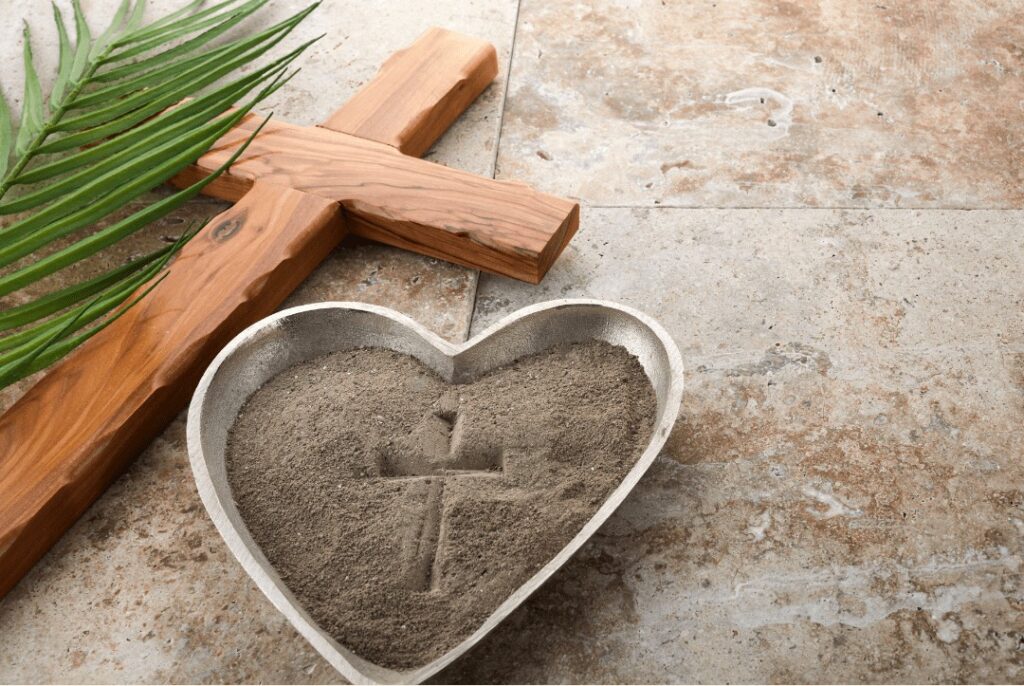
Tomorrow will be Ash Wednesday. Having ashes placed on our foreheads or hands is a sign that many Mennonites do not participate in, but more of us are choosing to take part in this service that marks the beginning of Lent. It is a way of once again embodying our faith. When we receive the ashes, we recognize two things, first, that we have all sinned. We have all missed the mark. Second, we acknowledge that someday, we will each die.
As I imagine what it means to make space for children in worship, I believe it means that they need opportunities to embody their growing faith, too. They may not taste the bread or grape juice of communion until after they experience the water of baptism. Ashes, however, are for anyone who wants to get a “do over” in their spiritual life. If a parent says yes and a child wants to receive ashes, I do not turn them away. Any of us can say “I’m sorry I messed up and I want to try again to love like Jesus loved” and mean it, no matter what our age.
So whether you choose to participate in an Ash Wednesday service or not tomorrow, I encourage you to imagine more ways that all of us, including children, can taste, smell, hear, see, and touch things in worship that remind us of God. Let’s embody our faith with more signs of God’s love.
Fe Encarnada
–Kathy Neufeld Dunn, Ministra Asociada de la Conferencia WDC (Con base en Kansas)
“… y el Verbo fue hecho carne y habitó entre nosotros.” Esta palabra griega en particular para “habitar” no significaba simplemente pasar tiempo juntos. Nos recuerda los días del pueblo de Dios en el desierto, cuando tenían un tabernáculo o tienda donde experimentaban la presencia de Dios entre ellos. Eran personas en movimiento, con Dios delante de ellos. Por eso prefiero la traducción de Juan 1.14, “Y aquel Verbo fue hecho carne y habito entre nosotros” o incluso “hizo su hogar entre nosotros”. Si alguna vez has acampado durante un tiempo, sabes que las tiendas pueden adquirir un cierto olor a humedad después de una tormenta o un olor similar al de los calcetines sucios. Todo esto quiere decir que nuestra fe es una fe encarnada. Experimentamos a Dios a través del cuerpo que Dios nos dio a cada uno de nosotros. Experimentamos al Santo a través de nuestros cinco sentidos.
¿Es de extrañar, entonces, que la Iglesia celebre ciertos signos encarnados? Vertemos agua o sumergimos por completo a las personas que dicen que sí a seguir a Jesús cuando se bautizan. Comemos pan y bebemos jugo de uva o vino, recordando el amor de Jesús por sus primeros discípulos y por todos nosotros, mostrado en la última pascua o comida de liberación que compartieron juntos. Jesús no rechazó a Pedro, que le negaría, ni a Judas, que le traicionaría, ni a ninguno de los demás. En cambio, comieron y bebieron juntos, luego Jesús les lavó los pies polvorientos y malolientes. Algunos de nosotros elegimos lavarnos los pies unos a otros en memoria del acto radical de Jesús de asumir el papel de siervo.
Mañana será Miércoles de Ceniza. La imposición de cenizas en la frente o en las manos, es un signo en el que muchos menonitas no participan, pero cada vez somos más los que elegimos participar en este servicio que marca el inicio de la Cuaresma. Es una forma de volver a encarnar nuestra fe. Cuando recibimos las cenizas, reconocemos dos cosas: en primero lugar, que todos hemos pecado. Todos hemos fallado. En segundo lugar, reconocemos que algún día, cada uno de nosotros morirá.
Cuando imagino lo que significa hacer espacio para los niños en el culto, creo que significa que ellos también necesitan oportunidades para encarnar su fe en crecimiento. Es posible que no prueben el pan o el jugo de uva de la comunión hasta después de experimentar el agua del bautismo. Sin embargo, las cenizas son para cualquiera que quiera “empezar de nuevo” en su vida espiritual. Si un padre dice que sí y un niño quiere recibir las cenizas, no lo rechazo. Cualquiera de nosotros puede decir “Siento haber metido la pata y quiero volver a intentar amar como amaba Jesús” y decirlo de verdad, sin importar la edad que tengamos.
Por lo tanto, independientemente de si decides participar mañana en el servicio del Miércoles de Ceniza o no, te animo a que imagines más formas en las que todos nosotros, incluidos los niños, podamos saborear, oler, oír, ver y tocar cosas en el culto que nos recuerden a Dios. Encarnemos nuestra fe con más signos del amor de Dios.